
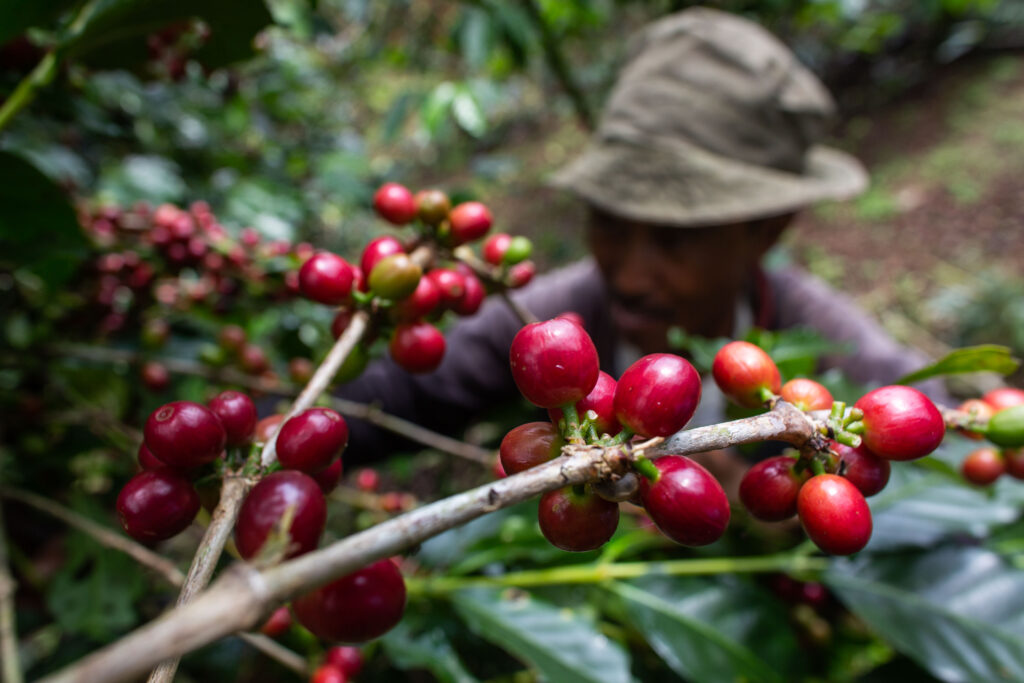
Argopuro Walida – Where Coffee Restores Nature
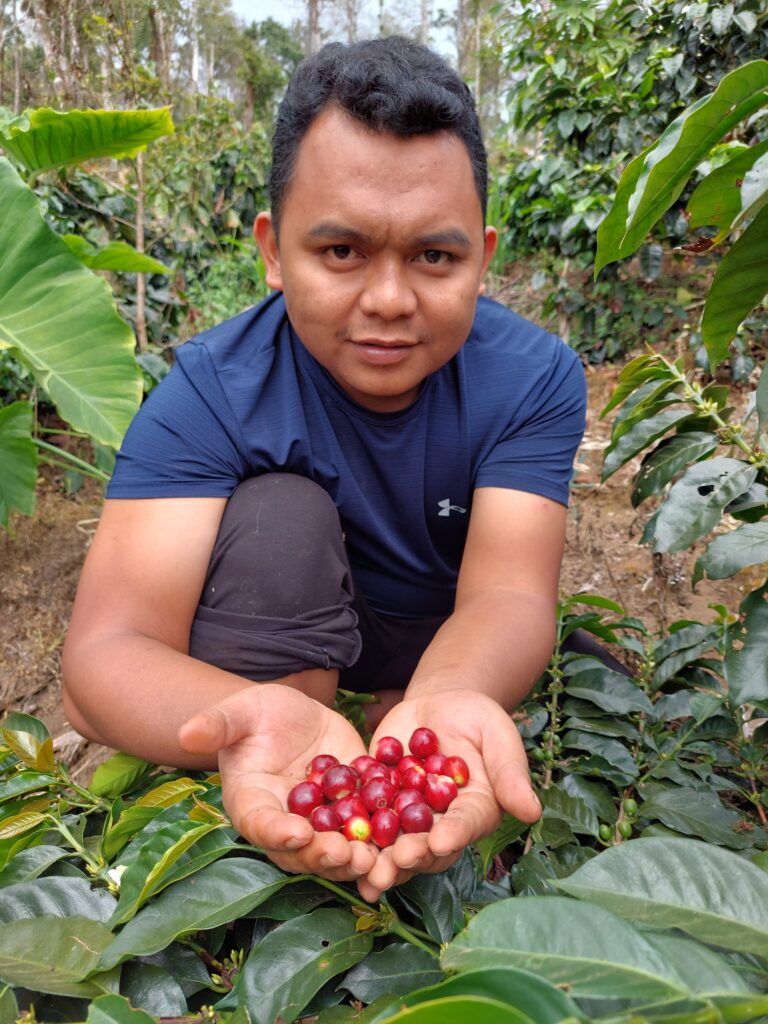
At the heart of Indonesia’s most extraordinary specialty coffees lies Walida Cooperative, led by agronomist Ahmad Muhlisin. High on the slopes of Mount Argopuro, 600 hectares of fertile volcanic land are cultivated by a community of 500 farming families who grow coffee not just as a crop—but as a force for regeneration.
Since 2014, Walida has been driven by one powerful belief: coffee can heal the land and the people who farm it.
DISCOVER OUR MISSION
coffee with a purpose
Muhlisin returned to his hometown to solve one urgent crisis: water scarcity. Years of deforestation had drained the region of its natural water cycles. His solution was both scientific and deeply natural—regenerative coffee farming.
By planting coffee trees alongside native plants and restoring biodiversity, Walida has helped bring water back to the soil, stabilizing the ecosystem and reviving the mountain’s natural balance.
Today, coffee doesn’t just grow here—it gives life back to the land.
From Forest Fire to Forest of Coffee
After a devastating forest fire in 2018, Walida launched one of East Java’s most ambitious reforestation projects.
Over 700 000 coffee trees were planted at 1,850 meters above sea level, transforming scorched land into a thriving biodiversity coffee forest.
Birds, animals, and native plant species have returned—proof that coffee, when grown responsibly, can restore entire ecosystems.
Farming in Harmony With Nature
Every Walida coffee tree is nurtured using 100% organic bio-fertilization—a blend of cow manure, cascara, fruit leaves, and natural mulch. These nutrients feed the soil, strengthen the plants, and create a self-sustaining ecosystem that produces healthier, more resilient coffee.
No chemicals.
No shortcuts.
Just nature, perfected.
Fair Trade, Real Impact
At Walida, farmers are empowered.
They set their own cherry prices and are paid in cash upon delivery. Workers earn twice the regional average wage, creating stability, dignity, and long-term prosperity.
This isn’t charity—it’s true direct trade.
Growing the Next Generation
Walida also operates a non-profit agroforestry school with 500 students and 42 teachers living and learning on campus. Graduates go on to become growers, processors, and agronomists—ensuring that sustainable coffee farming continues for generations to come.
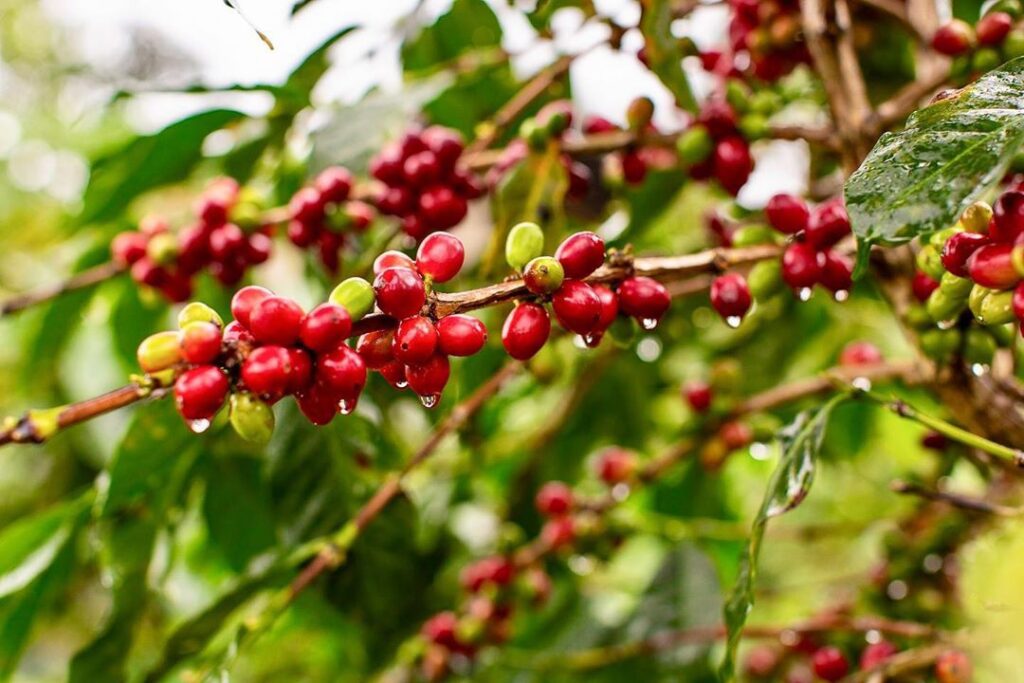
Ecosystem rejuveneration via specialty coffee
Walida coffee is cultivated as part of a living ecosystem. Following a devastating forest fire in 2018, the cooperative embarked on an ambitious forest restoration initiative, planting over 700,000 coffee trees at 1,850 meters above sea level.
Today, these biodiverse coffee forests have become a sanctuary once more—welcoming back birds, wildlife, and native plant life. The land breathes again. Water returns. Nature responds.
This is regeneration through cultivation.
Agroforestry & Organically Grown
Every Walida coffee tree grows in harmony with its surroundings, nourished exclusively through organic bio-fertilization. Cascara, fruit tree leaves, grass mulch, and natural compost enrich the soil, restoring minerals and preserving balance within the ecosystem.
The result is coffee of remarkable clarity, depth, and resilience—an expression of terroir shaped by patience rather than intervention.

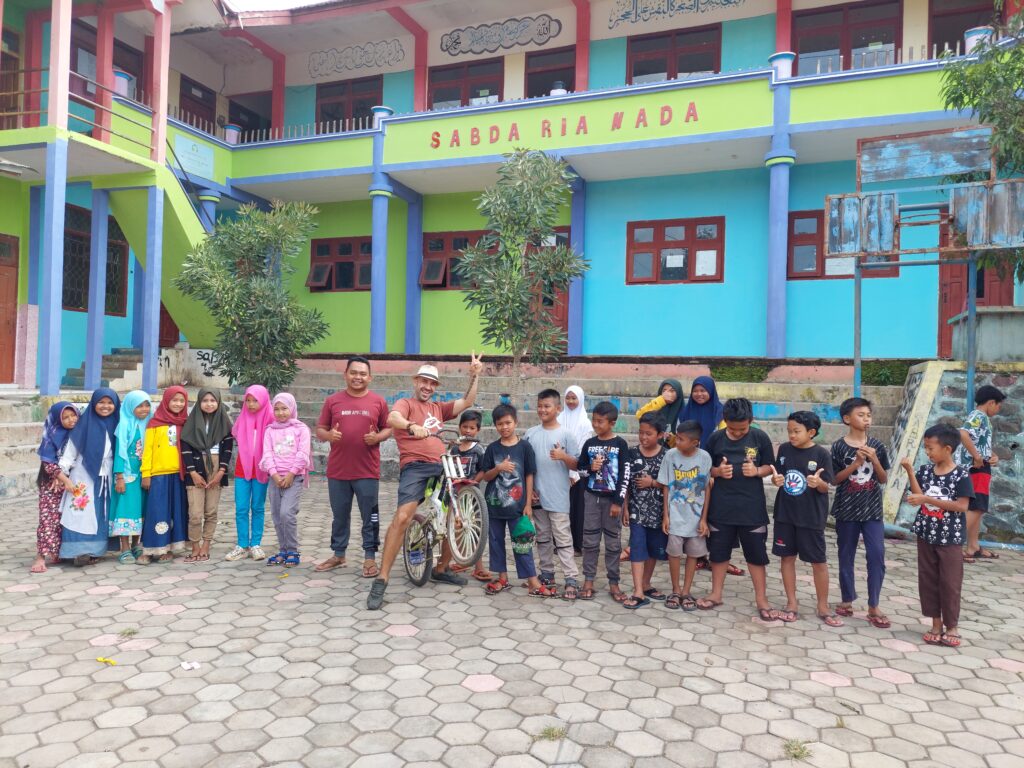
Education for 500 children of farmers –Cultivating the Future
Beyond coffee, Walida is deeply committed to education and continuity. The cooperative operates a non-profit agroforestry boarding school, home to 500 students and guided by 42 teachers. Here, future agronomists, cultivators, and environmental stewards are shaped—ensuring the knowledge of the land is preserved for generations to come.
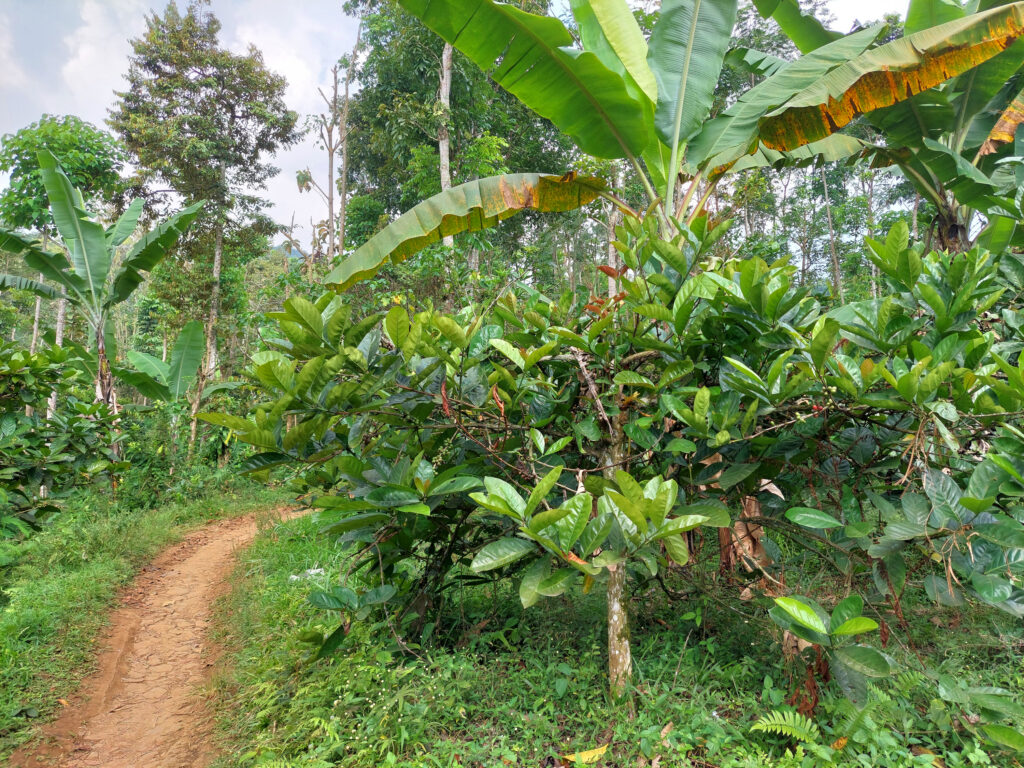
Bringing Water Back to the Land
Muhlisin’s return to his homeland was driven by a urgent mission: restoring water to a thirsty landscape. Through innovative agronomy and a deep respect for nature, the careful planting of coffee trees has helped revive the land—allowing water to flow back where it once disappeared.
When Muhlisin returned home, he faced a pressing reality: water was disappearing from the land.
By combining forward-thinking agricultural practices with nature-first coffee cultivation, he and his team helped regenerate the soil—bringing life, balance, and water back to the land.By preserving nature through regenerative coffee planting and innovative agronomy, the land was revived—and water returned.